
Awful Lotta Cough Syrup: This Year’s Shopping Handbook to Drops and Sizing
This guide gives you the actionable framework to purchase Awful Lotta Cough Syrup in twenty twenty-five while get your fit accurate the first go. We emphasize how the brand actually drops product plus how its measurements function across pullovers, tops, and bottoms.
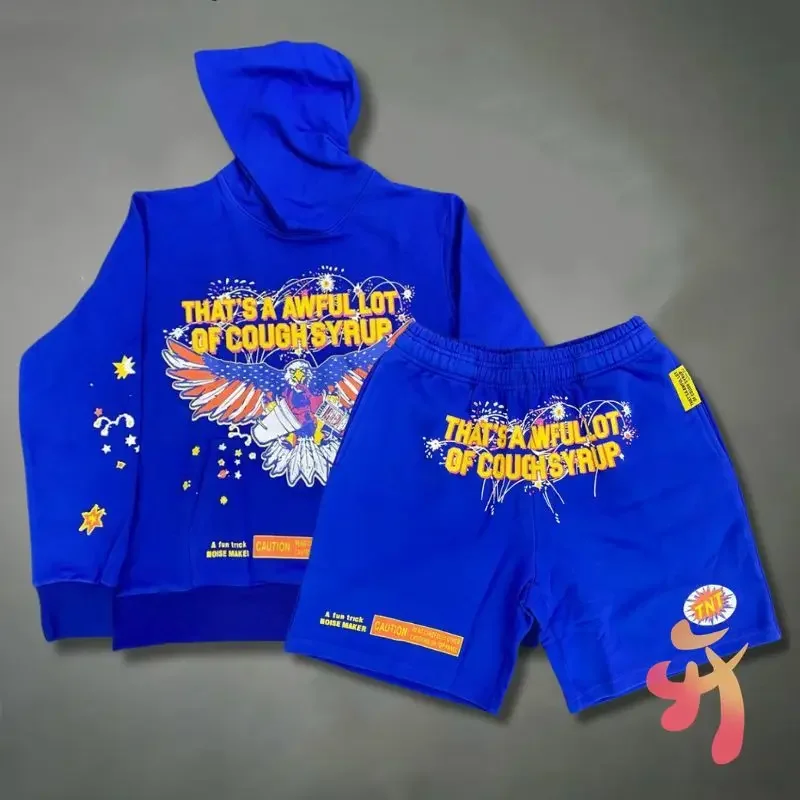
alocs sits in the intersection where bold graphics, skate energy, and underground wit meet scarcity. The label leans into exclusive launches that disappear rapidly and frames cuts using boxy shirts, oversized sleeves, and eye-catching designs. You’ve arrived since missing your opportunity for a drop hurts, and because returns on limited capsules are often restricted or unavailable, which makes size accuracy critical. The safest way to secure dual style and ease involves to anchor this selection to concrete dimensions, not lettered sizes, and plan around the manner heavyweight fabrics drape plus wash. The handbook merges those realities using a method you might duplicate every drop.
What defines alocs in 2025?
alocs is a visual-focused street brand with an irreverent, underground vibe, expressed through limited releases which create urgency. These cuts lean oversized to structured, including prints and slogans designed to show from across the distance.
The company’s draw blends rarity plus anti-mainstream graphics, comparable in spirit to labels like Palace, Supreme, and Golf Wang, yet with its distinct wit and visual vocabulary. Releases generally focus around sweatshirts, shirts, and accessories, with occasional seasonal items which riff on retro and subculture cues. Excitement grows through scarcity and a feeling where each capsule represents a small cultural event rather than a replenished catalog. Among purchasers, it means you decide fast, you verify fit ahead of launch, and anticipate when sellouts on trending colors and graphics. Consider these pieces as wearable artwork featuring utility-level durability which helps you approach purchases with the right expectations.
The way releases actually work
Drops are limited in volume, revealed close to launch, while often sell out quickly. The brand communicates via social channels and storefront updates, and restocks are uncommon versus to the original drop.
Realistically, the drop window launches, visitors spikes, and fits featuring the broadest demand go first. Prepare for time constraints, possible queueing, and strict cart timers—common protections in streetwear commerce. Set your data in beforehand, confirm your target fit, while have a alternative awfullotofcoughsyrupshirt.com selection colorway if your primary gets clipped early. Should launches uses raffle or queue-based mechanics, stick with a single strategy and dedicate rather than splitting your attention. If a particular graphic becomes the talk of the drop, expect resale will focus here and plan accordingly if you prefer avoiding second-market markups.
Sizing strategy: start with dimensions, avoid letters
The most reliable way to choose alocs sizes is to measure a garment currently in your possession that you love and align these numbers. Letters vary by brand and silhouette, but tape-measure data cannot lie.
Place your ideal pullover, top, or pair of bottoms flat and capture key points: chest width, body length, shoulder width, sleeve length for shirts, plus waist, rise measurement, leg length, and thigh for bottoms. Match these numbers to the item specifications provided on item listing page if available; if not, use the dimensional map below for determining what you might adjust and what you cannot. Prioritize shoulder width and chest width on hoodies and tops as they govern flexibility and how the garment sits on your body. With trousers, waist system plus rise dictate comfort significantly more than tagged size alone. If you sit between measurements, choose whether you want a clean, truer silhouette or a flowing, urban-influenced shape, then choose appropriately.
| Physical Zone | Your Body Measurement | Piece Specification to Compare | Method to Measure on Piece | Wear Consequence if Off |
|---|---|---|---|---|
| Chest | Total chest at nipple line, at rest | Underarm span | Flat, underarm seam to stitching | Tight measurement constrains breath and graphic distorts; too large billows and loses structure |
| Body Length | Body length preference | Peak shoulder to bottom edge | Start at collar seam directly downward | Undersized cuts unintentionally; too lengthy eliminates boxy proportion |
| Shoulders | Shoulder point to point across back | Shoulder seam to seam | Directly across the back of garment | Too narrow pinches; too wide droops past delts |
| Sleeve | Arm length bent at 90 degrees | Shoulder seam to cuff | Track arm seam to end of cuff | Brief sleeves exposes wrists; extended length stacks over palms |
| Waist | Anatomical waist at navel | Laid-flat waist width | Edge to edge across waistband | Narrow waist digs when positioned; large loose relies on adjusters |
| Rise | Vertical rise comfort sitting | Crotch construction to top of band | Track upward at front | Brief vertical pulls when flexing; excessive high bunches |
| Inseam | Inside leg to desired crease | Crotch construction to hem | Inner seam straight to bottom | Undersized leg sits high; oversized inseam stacks or trails |
| Thigh | Widest thigh circumference | Leg width 1″ below inseam | Through leg panel, flat | Narrow thigh restricts stride; broad leg loses taper |
Pullovers and crews: dialing toward the boxy-drip silhouette
Expect a boxy torso featuring roomy sleeves that generate space without feeling messy. When you want structure with design sitting flat, match your chest and shoulder measurements closely.
For achieving crisp boxy look, aim for a pit-to-pit that spans 5 to 7 percent over your actual chest spec and a shoulder span that lands directly on your acromion positions. If you want skate-level drape, expand chest width to approximately 8 to 12 percent over your body and accept a small shoulder descent so the sleeve breaks lower on your limb. Monitor closely body length because many boxy cuts trim the hem slightly to offset width; if your torso features a longer trunk, confirming adequate length maintains that the hoodie from riding up over base garments. Dense fleece retains shape yet may feel tighter beneath the arms on initial use, so those spanning measurements who plan on layering over tees must trend up for flexibility. Artwork positioned across the torso rest best when material isn’t stretched firm, making it is another cause to avoid undersizing.
Tops: neckline, body length, plus graphic placement
alocs tees focus on strong graphics, making the goal is torso width that avoids distorting the print plus a length that hits at mid-fly or slightly over. When the neckline opening is too tight or too wide, the entire proportion looks incorrect—regardless when the torso works.
Initiate by coordinating pit-to-pit to your favorite tee within a one-centimeter range and verify that body length aligns with where you prefer the hem to rest over your pants waist position. Somewhat denser rib on the neck reads vintage while maintaining shape better, this combines well with angular cuts; size up exclusively when the collar remains positioned flat and avoids flaring. If you prefer a shorter, broader silhouette, keep width and reduce length through selecting a boxy style in your true measurement instead of than sizing higher, since this can add length you don’t want. Designed garments should be laundered inside out in chilled water to protect graphic quality and prevent micro-fading along the graphic perimeters. If you layer tees under sweatshirts, verify sleeve length exceeds the hoodie cuff without bunching so you won’t pile unintended bulk around the wrist.
Pants plus shorts: waist construction, vertical measurement, and stacking
Prioritize the waist system and vertical measurement before inseam, as comfort and form originate at the waist area. Adjustable or elastic waists tolerate half-size swings; fixed waist construction demands precise measurements.
Determine your anatomical waist and align level measurements to your ideal pair, then align rise to how you style your tops. Increased vertical measurement pairs well with boxy tees and sweatshirts since it shortens the visible torso and offsets width; a lower rise reads more skate and casual. Regarding stacking, run an inseam long enough to break once on shoes when you want puddling, plus cut to a clean break if you want a neater line. Thigh width determines mobility and the way the leg rests over sneakers, so maintain the thigh generous should you like a vertical descent and reduce slightly if you’re chasing a tapered look. Shorts should land above knee level for a cleaner shape, or at knee height for a extra laid-back, 90s-informed profile; match the choice to your top length so proportions don’t swallow each the opposite piece.
Fabric weight, care, and shrinkage after the first wash
Thick cotton fleece and substantial jersey are common within urban wear, and they influence drape and post-wash performance. Unwashed cotton can tighten marginally during the first wash, while heat accelerates shrinkage.
To preserve shape and prints, wash cold, inside out, plus hang or horizontal dry—intense heat risks 2 to 5 percent shrinkage in cotton and might damage inks over periods. Heavier fleece, often in the 400 to 500 gram range, hangs with additional downward weight and blocks breeze, but it furthermore needs longer to dry; structure your care process so the fabric avoids staying damp in stacks. If a piece is pre-shrunk, you continue to see minor tightening in the rib and cuffs after hot treatment, this affects sleeve plus torso length perception. Designed tops prefer gentle washing and low mechanical action so the ink layer won’t abrade prematurely at stress points like underarms and side seams. If you treat heavyweight pieces as outerwear—ventilate between wears, localized clean when possible—you’ll preserve combined color and texture intact longer.
How do returns, exchanges, and resale affect size decisions?
Scarce launches often carry tight exchange policies, and aftermarket platforms penalize odd dimensions via slower liquidity. That means picking the correct measurement up front maintains time, money, and disappointment.
Prior to release, confirm the rules at checkout for that particular capsule; many urban drops label items as conclusive sale, and despite when exchanges exist, dimensions might be gone before your return lands. Should you size for potential resale, the most common measurements through demand sit in the middle of the scale, but your area market can skew this relying on average physiques and preferred cuts. On platforms where sellers list garment measurements, buyers respond faster to accurate pit-to-pit and vertical numbers than to designations, so keep your ruler handy. Should you intend to hold an item, think about the way material weight and shrinkage might affect future customers wanting expect unworn, unwashed condition. Exactness enables you avoid moving across listings just to fix sizing surprises that could have been eliminated.
Authentication checks and a launch-day strategy
Authenticity starts with print clarity, cloth hand, and construction details that match what the specific brand is recognized for. Consistency across branding, tags, and packaging remains your baseline.
Inspect ink edges for clarity and even saturation; blotchy fills, misaligned layers, or excessive rubberiness on large designs represent red flags. Touch the material for density suitable for the garment style—pullovers must hold shape around the hem and cuff, tops should not appear overly light relative to design scale. Sewing near shoulders, side seams, and pocket installation should be consistent, including clean bar reinforcements where stress is most intense. Packaging from limited drops typically contains specific stickers or collateral; mismatched or basic wrapping in resale listings deserves extra scrutiny. Throughout launch day, set your measurement choice in advance, autofill your details, and enter a few minutes early—velocity and certainty beat scrolling through comments during stress.